Your skill passport
New sculptor
0of 36 stars
0 of 12 ideas learned · 0 Genius ✦ · 0 kinds of thing made
Building Size, span and steps0 of 4
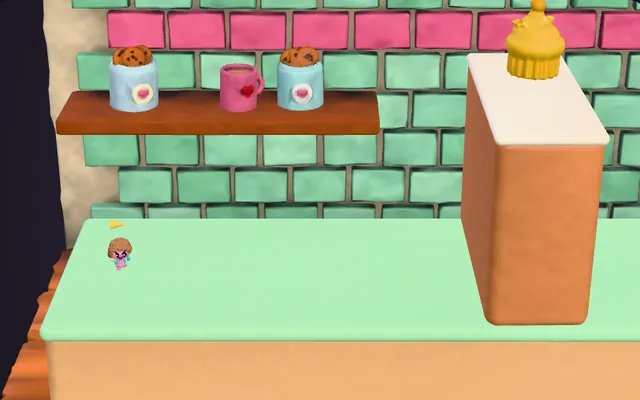 Scale☆☆☆Everything you sculpt has a size. Checking it against something you know, like Fella, is how artists keep proportions right.
You'll be able to
Judge whether a step is the right size by putting a person beside it.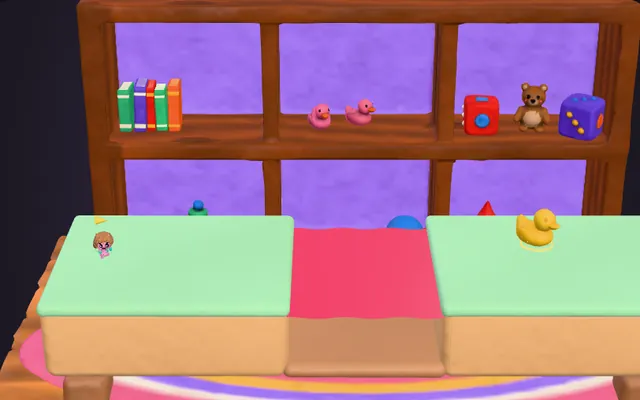 Span☆☆☆A bridge has to reach further than the gap and rest on solid ground at both ends. Engineers call that bearing.
You'll be able to
Make a bridge that reaches past both banks, and say why it has to.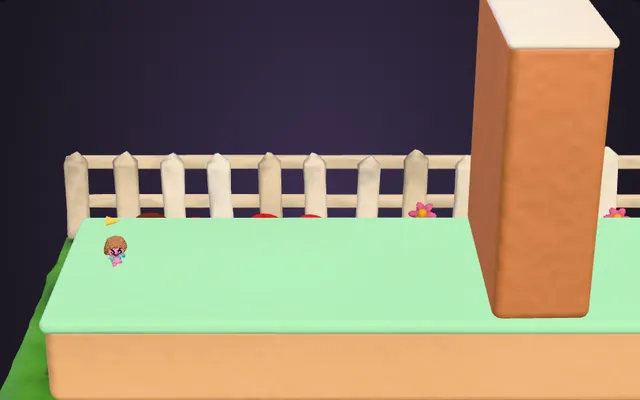 Steps☆☆☆Stairs split one big climb into small ones. Nobody needs to jump five Fellas if they can jump one and a half, three times.
You'll be able to
Break a climb that is too big into steps small enough to take.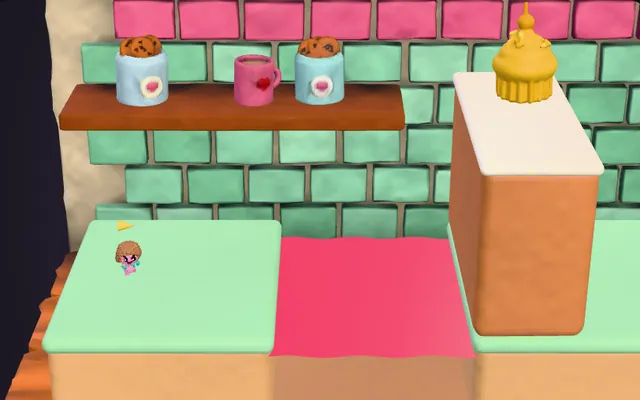 Combine☆☆☆Real models solve several problems at once. A stair that is also a bridge is one shape doing two jobs.
You'll be able to
Make one shape do two jobs at once.
Taking away Carving and hollowing0 of 2
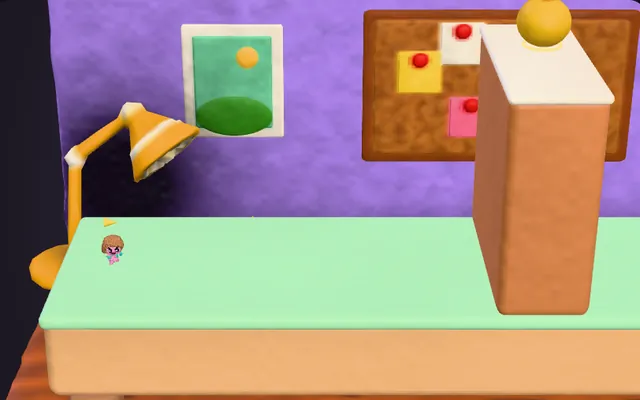 Subtract☆☆☆Sculptors work two ways: adding clay and taking it away. Sometimes the shape is already hiding in the block.
You'll be able to
Get a shape by taking clay away, not only by adding it.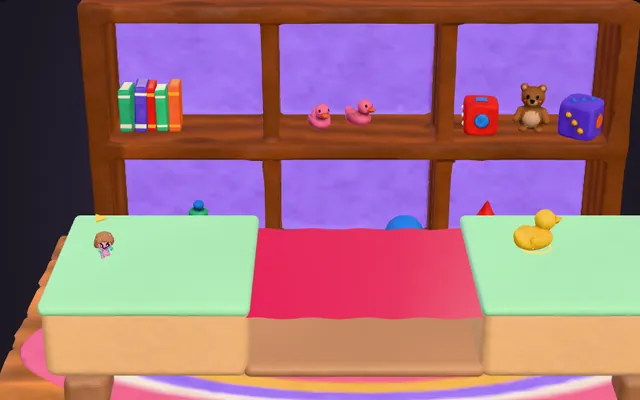 Hollow☆☆☆Clay sinks, boats float. A hollow shape holds air, and air makes it light for its size. That's why a steel ship floats.
You'll be able to
Make a shape light for its size by hollowing it, and say why that floats.
Measuring How much, and how little0 of 3
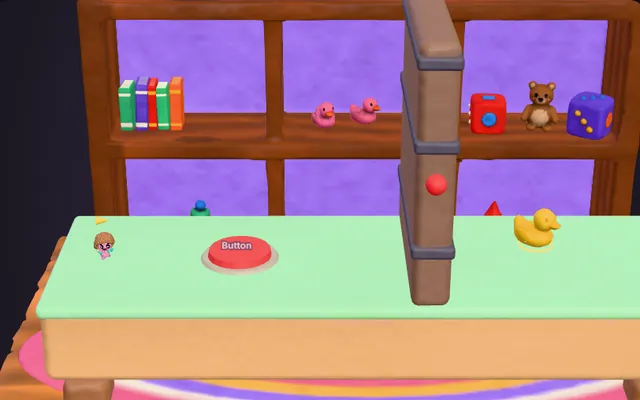 Volume☆☆☆The more clay, the heavier it is. Volume is how much space a shape takes up, and it doesn't care what the shape looks like.
You'll be able to
Tell roughly how much clay a shape holds, and know more clay weighs more.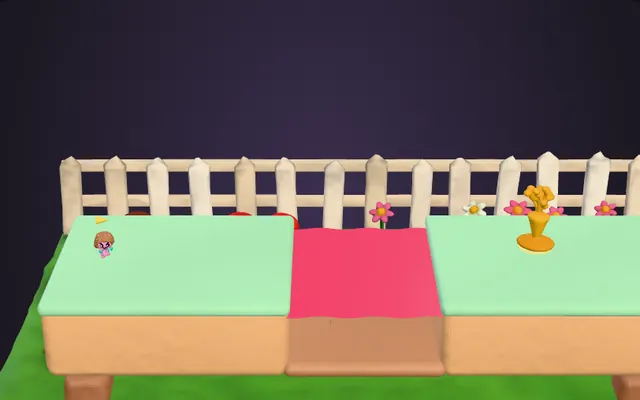 Efficiency☆☆☆Strong isn't the same as heavy. A narrow plank, an arch or a hollow beam holds you up with a fraction of the clay.
You'll be able to
Get the same strength from less material, and know when more isn't better.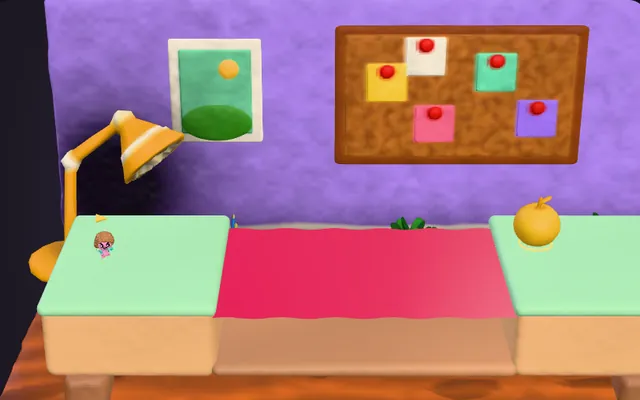 Capacity☆☆☆Every boat can only carry so much before it sinks. The more room under the waterline, the more it can take.
You'll be able to
Work out how much a boat can carry before it sinks.
Seeing Silhouettes and views0 of 2
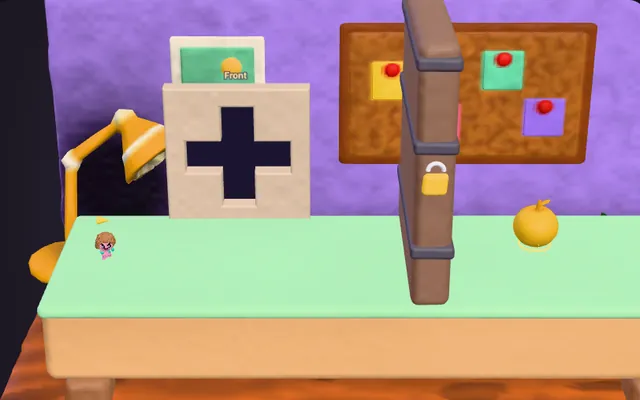 Silhouette☆☆☆A silhouette is a shape's outline from one side. Artists check it first, because it's what you read from far away.
You'll be able to
Read a shape's outline from one side and match it.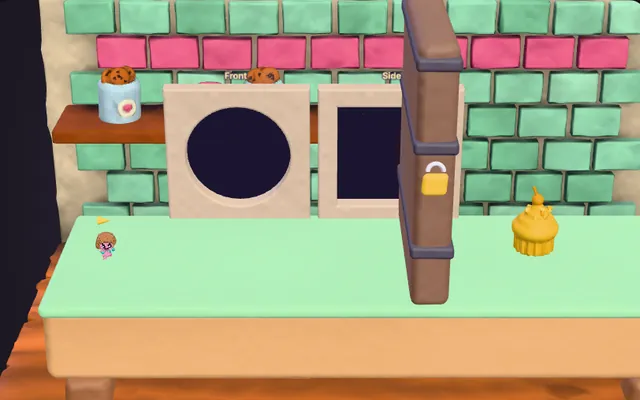 Views☆☆☆A shape looks different from every side. A can is a circle from the end and a rectangle from the side, and both are true.
You'll be able to
Picture a shape from the front, the side and the top, and know one view can't tell the whole story.
Warm up in a minute: Clay Views
Physics Why things float0 of 1
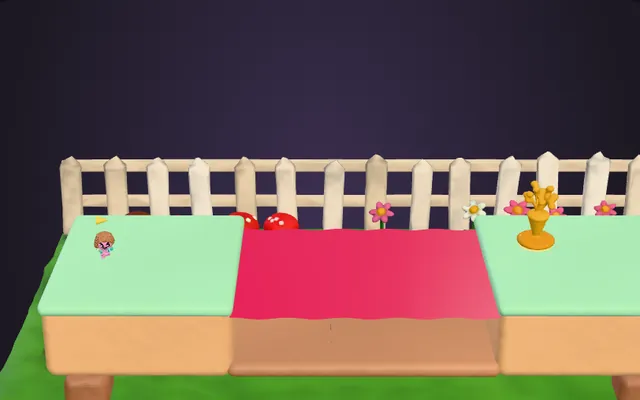 Displacement☆☆☆A floating boat pushes aside as much jam as it weighs. A wide, deep bowl pushes aside more, so it floats higher and carries more.
You'll be able to
Explain that a floating thing pushes aside as much as it weighs.
How the Academy works
Clayground Academy isn't a course to sit through. It's the games: each puzzle in Fix It is built around one idea about 3D, and you only get past it by using the idea with your own hands. Clay Views is a one-minute daily warm-up for the seeing strand.
How a puzzle goes
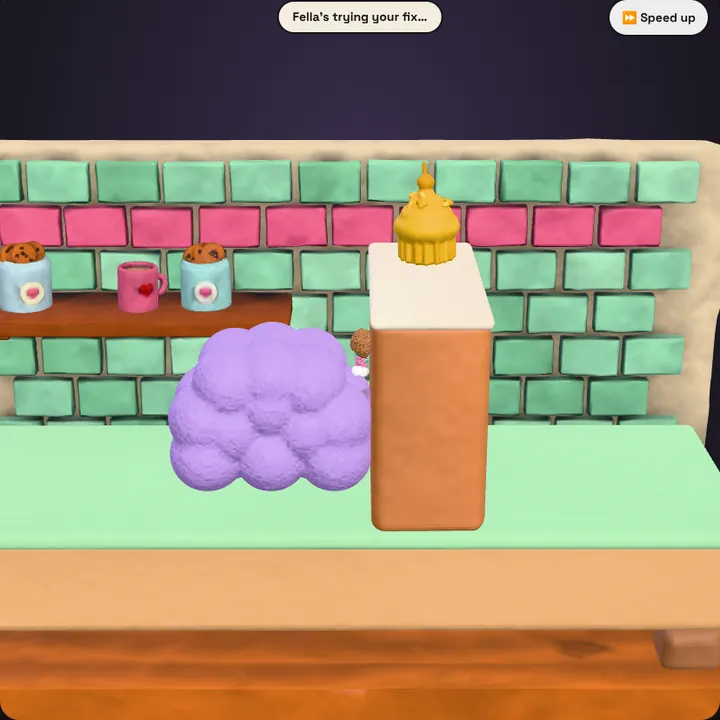
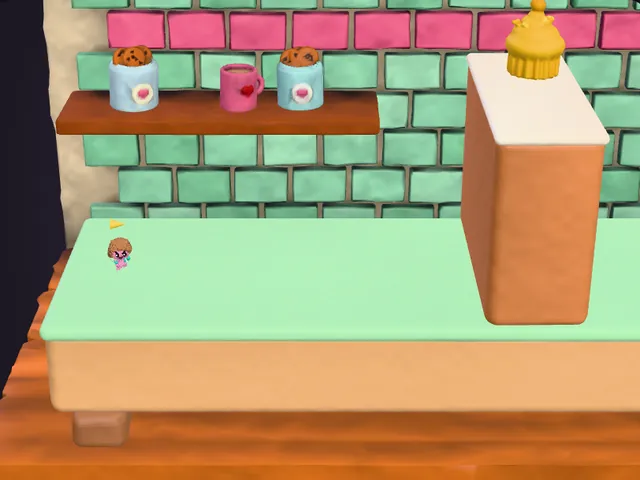 Meet the problem. Fella can't jump that high, and the snack is on top of the wall.
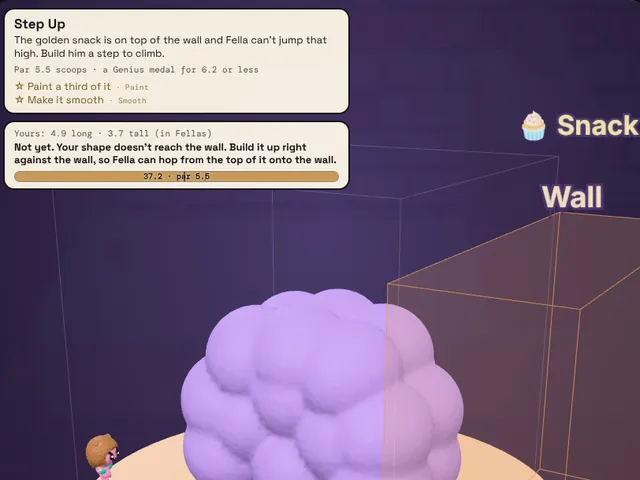 Sculpt the fix. Add clay with a finger or a mouse. Anything that works counts.
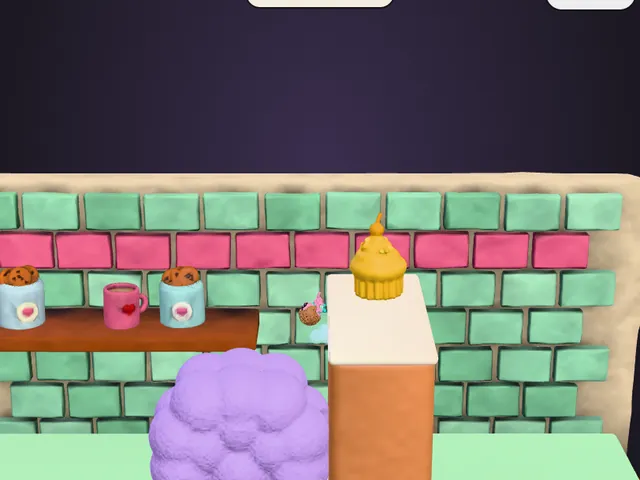 Drop it in. Fella tries it by himself, with no hints and no second chances.
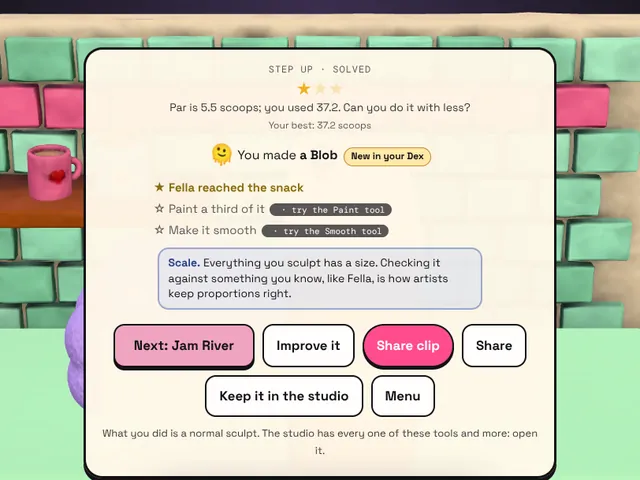 See the idea. When it works, the game says the idea in a sentence and it goes in your passport.
For parents and teachers
Everything runs in the browser on a laptop, Chromebook, tablet or phone, with no account and no sign-up. Progress is kept on the device. Nothing about a child is sent anywhere unless a signed-in adult chooses to save it to their account, which is off by default.
Ways to use it: play today's Clay Views on the board as a ten-minute starter and talk about how you knew; ask the group to predict whether a sculpt will work before you drop it in; or have everyone use Make a puzzle for a friend in Fix It and swap links (a link carries only a few numbers, never a drawing).
- Ideas it touches: scale and proportion, volume, ratio, orthographic views (front, side and top), symmetry, buoyancy and density, and optimising a design.
- It is a set of games, not a curriculum or a test. It is a good way to practise picturing shapes, and it won't change anyone's grades.
At a glance
| Price | Free |
|---|
| Age | Made for ages 8 and up, and fine for curious grown-ups |
|---|
| Needs | A modern browser. Nothing to install. |
|---|
| Privacy | No account needed. Progress stays on the device unless a signed-in adult chooses to save it to their account. |
|---|
Questions people ask
Does it really teach anything?
It practises specific ideas (like how a silhouette changes with the view, or why a hollow shape floats) and shows you the idea in a sentence when you use it. Research finds that picturing shapes is a skill that practice improves (about half a standard deviation across more than 200 studies), but the studies that showed gains used hours of practice, not minutes, and tests of games are mixed: a puzzle game helped after 8 hours in one study, while 12 hours of Tetris made no difference to spatial test scores in another. We haven't yet tested Clayground itself. The games don't claim to replace lessons.
Do students need accounts?
No. There is nothing to sign up for. The passport on this page is read from the browser on that device.
Can I share a puzzle with a class?
Yes. In Fix It, choose Make a puzzle for a friend, solve it yourself, and send the link. Anyone who opens it plays your puzzle and sees the amount of clay you used as the score to beat.
 clayground